

Expert-led care and keratoconous treatment
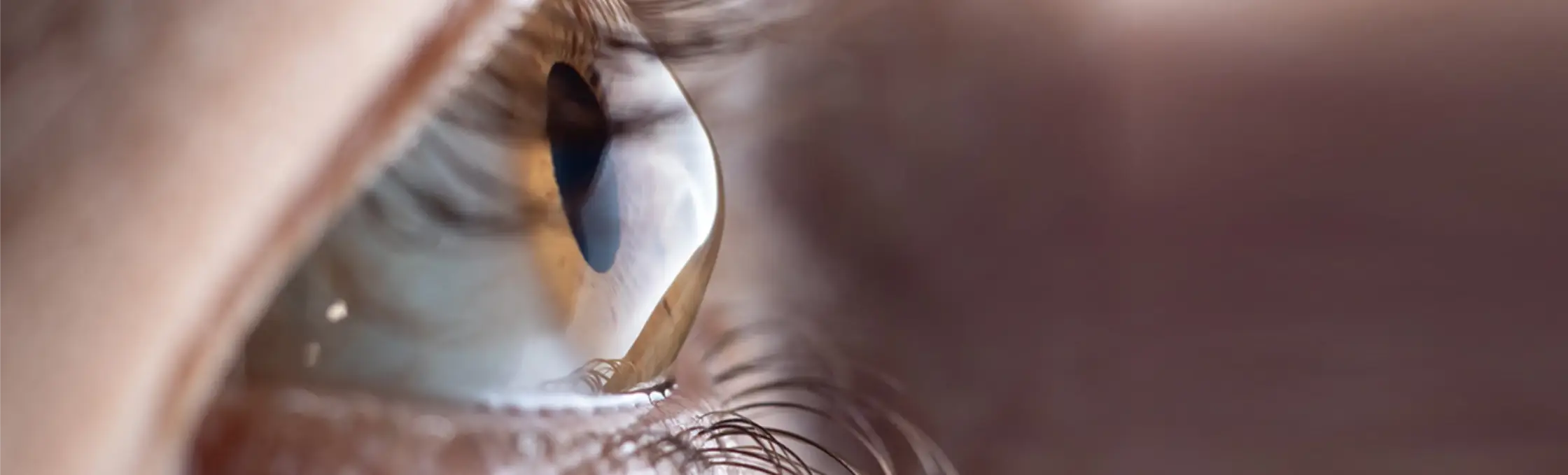
Keratoconus is a progressive eye condition that causes the cornea to thin and bulge into a cone shape, leading to distorted and blurry vision. Early detection and expert care are essential to maintaining long term vision quality. It typically develops in teenage years or the early twenties.
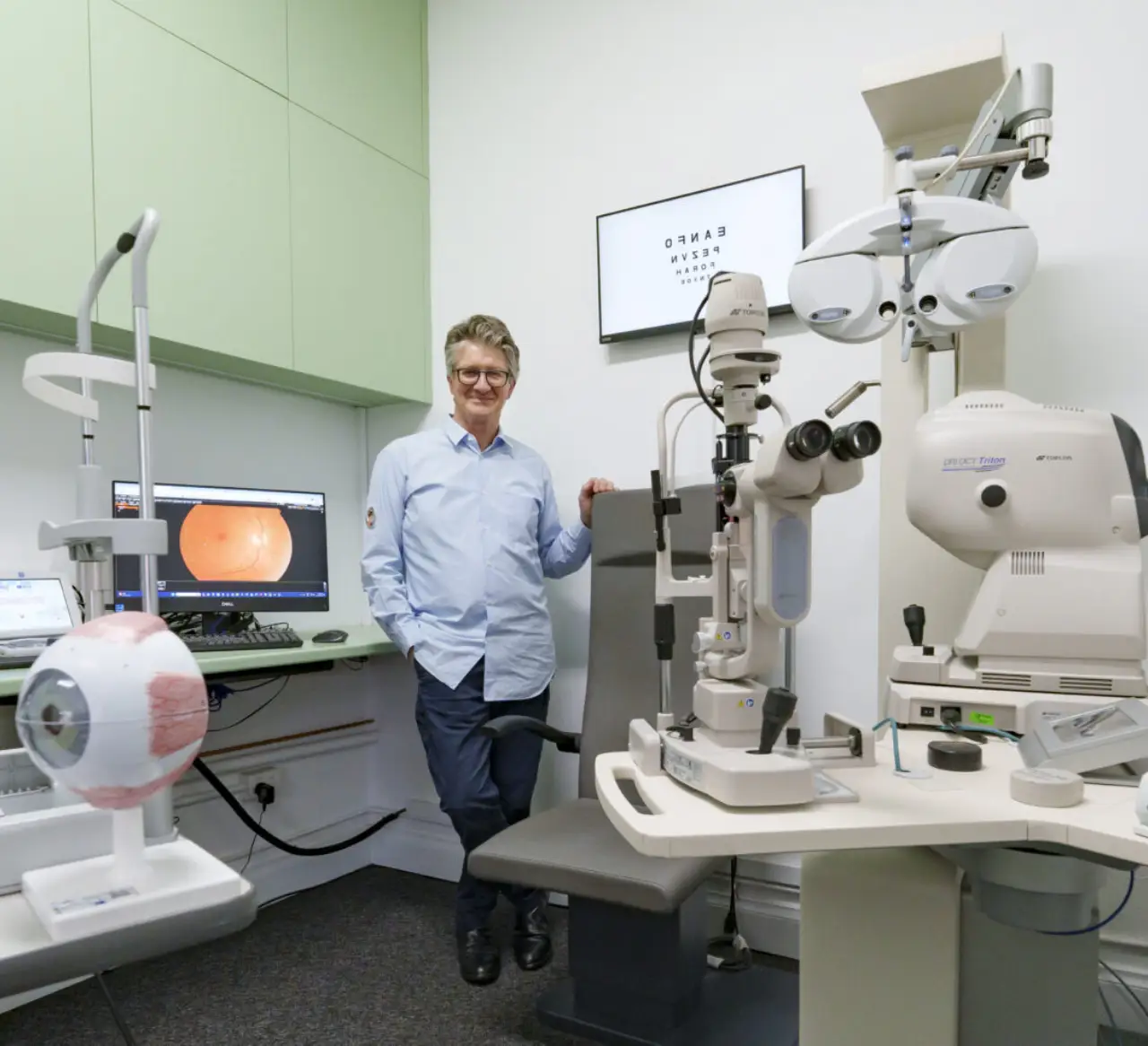
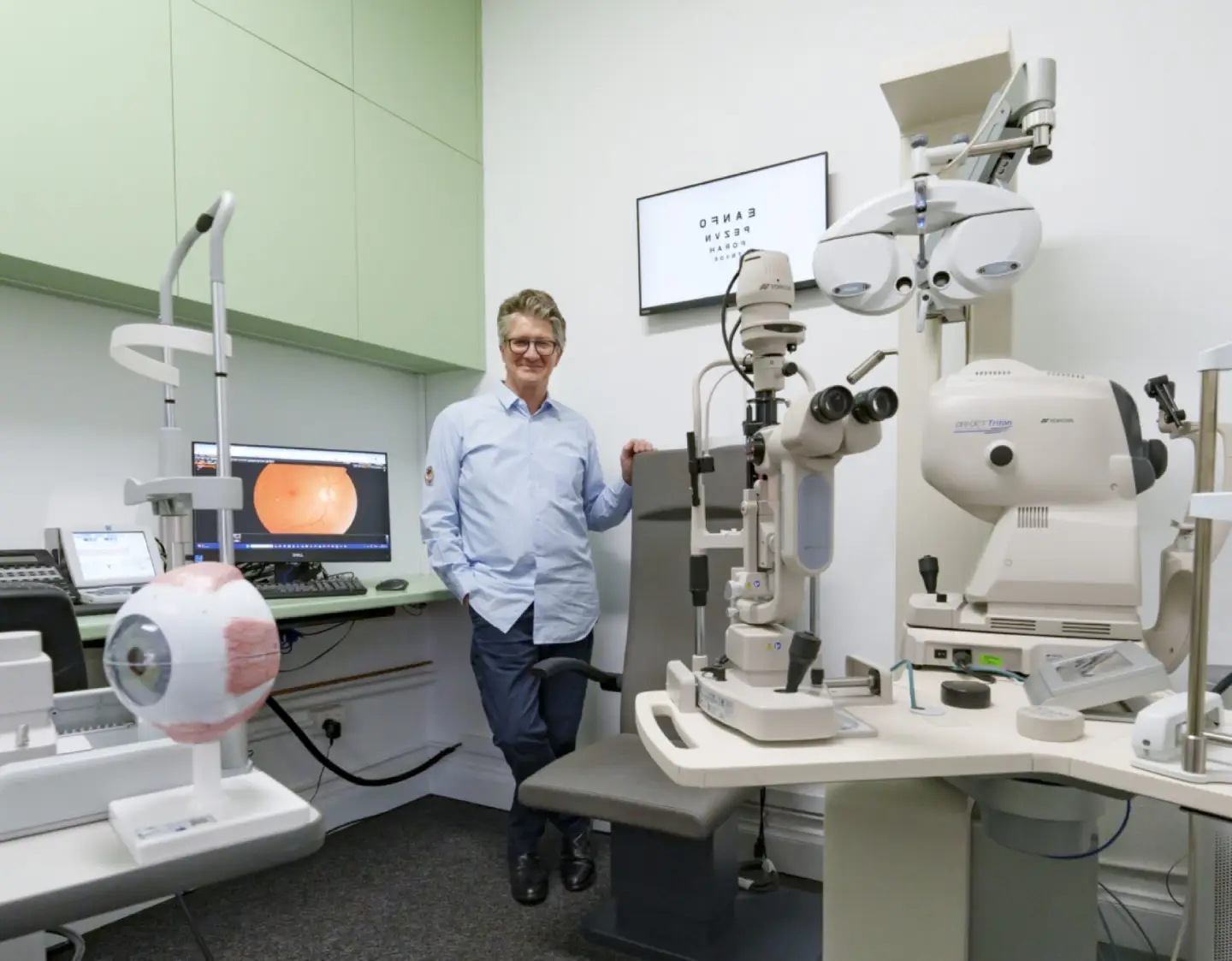
Our optometrist Richard is a pioneering authority in keratoconus treatment. He has also developed a comprehensive training program for optometry students at The University of Melbourne.
Our practice has state-of-the-art diagnostic technology and comprehensive treatment options. Our expertise ensures that every patient receives the most effective, customised care to achieve clearer, more comfortable vision.
Our point of difference

Renowned expertise
Richard is recognised globally for his research and advancements in Keratoconus treatment.

Academic leadership
Richard is a leading lecturer at Melbourne University, shaping the future of optometric care.

Personalised patient care
Every treatment plan is tailored to ensure the best possible vision outcomes.
Our advanced treatment options
- We provide a comprehensive approach to Keratoconus management, including:
- Specialty Contact Lenses – Custom-designed rigid gas permeable (RGP), hybrid, and scleral lenses for improved vision.
- Corneal Cross-Linking (CXL) – A non-invasive procedure that strengthens the cornea to slow disease progression.
- Intacs & Corneal Implants – Small implants that reshape the cornea for improved vision stability.
- Surgical Options – For advanced cases, we offer expert referrals for corneal transplants and other surgical interventions.
What you need to know
What are the symptoms of keratoconus?
Symptoms include blurred or distorted vision, increased sensitivity to light, frequent prescription changes, and difficulty seeing at night. As the condition progresses, standard glasses spectacles may no longer provide clear vision and contact lenses may be required. Our optometrists are experienced in custom contact lenses and other innovative treatments to restore visual clarity and comfort.
How is keratoconus treated?
Treatment depends on the severity of the condition. In early stages, glasses or soft contact lenses may help. As the condition progresses, rigid gas-permeable or custom-designed contact lenses provide better vision correction. We also offer further options including hybrid and scleral lenses, and referrals for surgical treatments.
Can keratoconus be cured?
There is no cure. Corneal cross-linking is a surgical treatment that may slow or stop progression and improve vision. Specialised contact lenses may still be required to restore clear vision following corneal cross-linking.